Direct answer
Airbnb or VRBO potential at 2000 E 21st Ave is a purchase due-diligence question, not an approved use or income promise. Denver short-term rentals cover stays of 1 to 29 days and require a license for the host's primary residence; 30+ day rentals follow a separate residential-rental framework. The home's lower-level suite areas, two full kitchens and a mini bar, multiple laundry areas, and possible backyard access explain why buyers may investigate, but none proves eligibility. Review the floor plan, records, permitted use, licensing, insurance, tax, egress, and current city requirements before relying on a rental strategy.
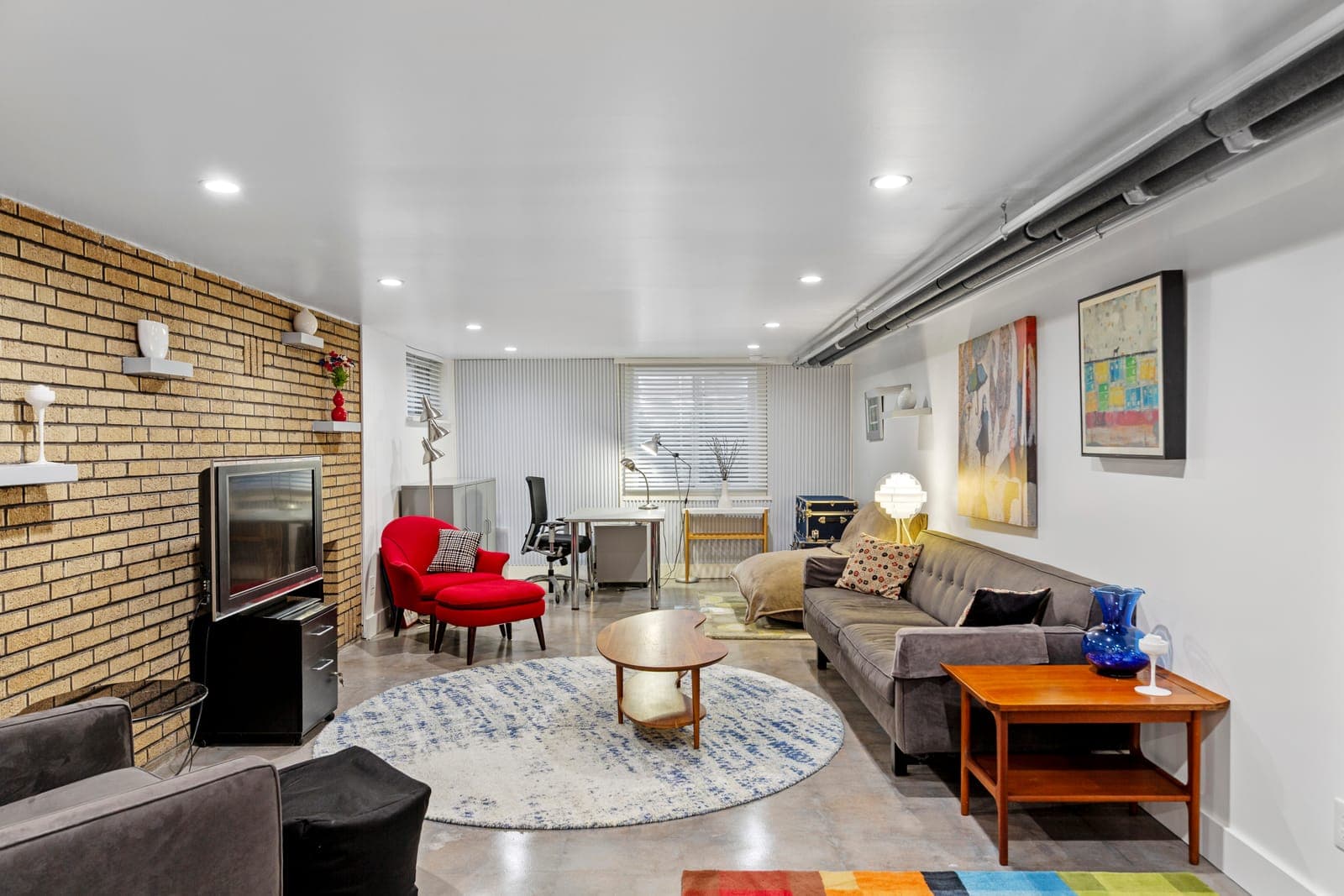
Property photographs provide visual context. Confirm dimensions, condition, and any proposed use from the records and an on-site review.
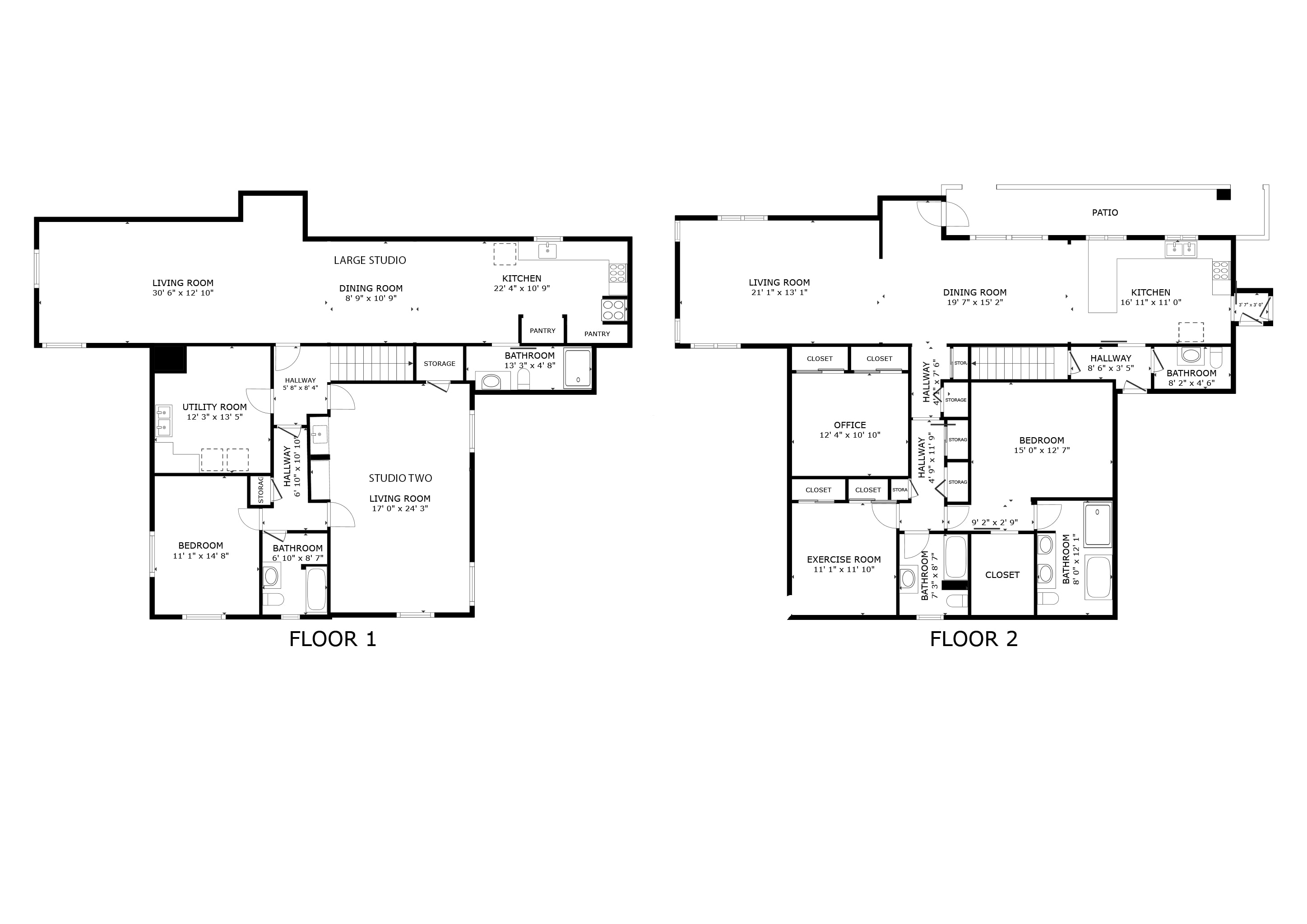
Two-level floor plan for 2000 E 21st Avenue. Room labels and measurements should be independently verified.
Denver STR Questions to Ask
Primary residence qualification
Denver generally requires a short-term rental to be the host's primary residence, so the first question is whether a buyer can genuinely establish the property as their primary home under the city's rules. This requirement shapes whether short-term rental use is possible at all. Buyers should not assume that separate spaces or prior use change the primary-residence requirement, and should confirm current qualification standards directly with the city before relying on any short-term rental plan.
License eligibility
Operating a short-term rental in Denver generally requires a city license tied to the host and property qualifications. Buyers should confirm whether they can obtain and maintain that license for their intended use, since eligibility is not automatic and does not transfer simply because a previous owner may have hosted. Treat licensing as a likely requirement to verify early, and confirm the current application process and standards with the City and County of Denver.
Advertising and tax requirements
Denver generally requires a valid license number to appear in short-term rental advertisements and requires lodging tax collection on qualifying stays, along with a lodger's tax account. Advertising a listing without a valid license number can create compliance problems. Buyers should review current advertising and tax obligations, confirm the applicable rates, and consult a tax advisor, since these requirements change over time and are fact-specific to each situation.
Property-Specific Verification
Legal suite status
The presence of lower-level suites, added kitchens or kitchenettes, and multiple laundry areas at 2000 E 21st Ave does not establish that any area is a legal separate rental space. Buyers should verify that added kitchen or wet areas were permitted and confirm the legal status of the suites with the City and County of Denver. Physical function is not the same as legal permission, so status should be confirmed rather than inferred from the layout.
Egress and risk considerations
Any area considered for rental use should meet egress and life-risk considerations standards appropriate to that use. For an older, renovated home, this can involve window egress, stair configuration, fire separation, and risk considerations equipment that require professional review. Buyers should confirm these through inspection and treat egress and risk considerations as essential verification steps rather than assuming compliance from the presence of a door, kitchen, or route.
Simultaneous rental contract rules
Denver can restrict simultaneous short-term rental contracts on a single parcel, so buyers should not assume that a home with multiple suites can host several separate short-term rentals at once. This is a common misunderstanding for flexible-layout homes. Buyers should confirm the current rules on simultaneous contracts and lock-off arrangements with the city before relying on any plan that involves renting more than one area of the property at the same time.
Advisor Review
Denver licensing and zoning
Short-term rental potential ultimately depends on Denver's licensing and zoning rules, which are the authoritative source rather than any listing description. Buyers should review the applicable zoning designation and licensing requirements directly with the City and County of Denver. Confirming these rules early helps a buyer understand what is genuinely possible before committing, and avoids relying on assumptions that may not match current regulations.
Tax and insurance review
Short-term rental use carries tax and insurance implications that differ from standard owner-occupancy, including lodging taxes and specialized coverage. Buyers should engage a certified accountant or tax advisor and an insurance advisor to review their specific situation. Tax treatment is fact-specific and changes over time, so a general assumption is not a substitute for tailored guidance from qualified advisors before relying on any short-term rental strategy.
Real estate attorney review
A real estate attorney can help a buyer understand legal use, permitted status, deed or association restrictions, and the risks of relying on short-term rental potential. Legal review is especially valuable for flexible-layout homes where the physical arrangement invites rental questions. Buyers should treat attorney review as part of responsible due diligence and confirm any legal conclusions before relying on a short-term rental plan at the property.
Buyer evidence and licensing checklist
Use the property evidence and the City of Denver sources together before making a purchase decision.
Start with the documented layout
Review the published floor plan and suite photographs with the available property records. Confirm the actual configuration, access, egress, and condition rather than treating a marketing description as approval.
Verify the rental framework before relying on it
Denver's current short-term rental page covers 1 to 29 day stays and primary-residence licensing. The residential rental page is the starting point for 30+ day questions. Confirm permitted use and buyer-specific eligibility directly with the city and qualified advisors.
Frequently asked questions
What is the first thing to verify for STR potential?
Whether you can establish the property as your primary residence under Denver's rules, since short-term rentals generally require the host's primary residence.
Does a multi-suite layout allow multiple short-term rentals?
Not necessarily. Denver can restrict simultaneous short-term rental contracts on one parcel. Confirm current rules before relying on such a plan.
Do lower-level suites count as legal rental spaces?
Not automatically. Physical suites do not establish legal status. Verify permitting and legal status with the City and County of Denver.
Is short-term rental income guaranteed at this home?
No. No income is guaranteed and no use is approved here. Any strategy depends on verification and market conditions.
What advisors should I involve?
The City and County of Denver for licensing and zoning, plus tax, insurance, and legal advisors for a full picture of your specific situation.
What documents should I review?
Floor plans, permits, licensing requirements, advertising and tax rules, insurance needs, and any association or deed restrictions.
Authorship and evidence
How this guide is grounded
Presented by Rick Janson, the listing agent for 2000 E 21st Avenue. Property-specific statements are checked against MLS #8398506, the retained 1951 instructions to the contractor, and the property's photographs and records. Location, market, and regulatory details use the references below and should be reconfirmed when they matter to a decision.
Last updated
Evidence and sources
primary
MLS #8398506
Current listing identifier and status: For Sale.
primary
151 captioned property photographsRoom-by-room visual evidence served directly from this website.
primary
1951 instructions to the contractorThe retained primary document supporting the home's design attribution.
reference
Published floor planReference linked within this guide.
reference
Larger lower-level suite photographsReference linked within this guide.
reference
Smaller lower-level suite photographsReference linked within this guide.
reference
City of Denver short-term rentalsReference linked within this guide.
reference
City of Denver residential rental property licensingReference linked within this guide.
reference
Denver STR license checklistReference linked within this guide.
official
City and County of Denver short-term rental application guideOfficial licensing and application guidance.
official
City and County of Denver residential rental guidebookOfficial guidance for residential rentals of 30 days or more.
Questions about this property?
to discuss short-term rental due diligence as it relates to 2000 E 21st Ave.
Book a virtual coffee with Rick Janson