Direct answer
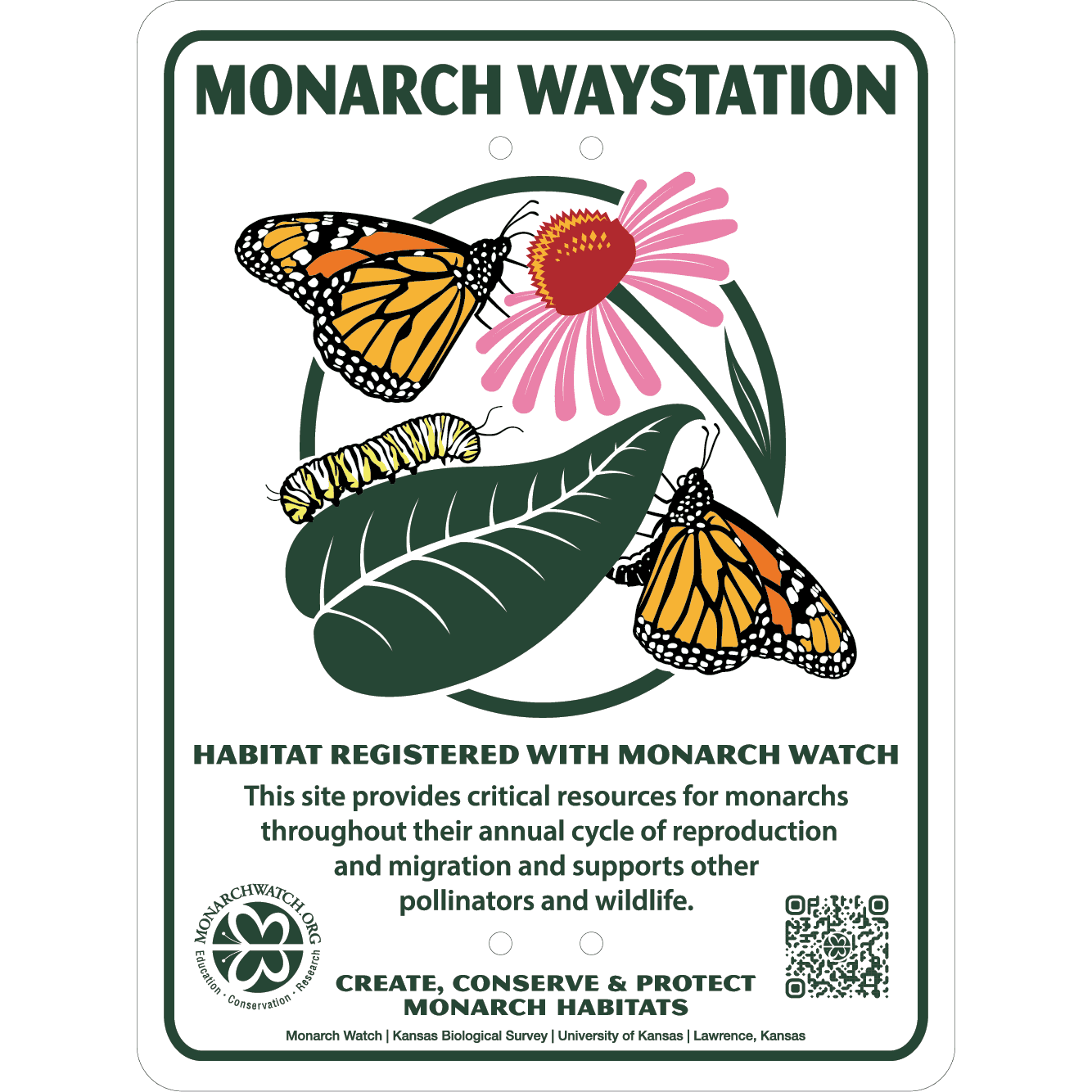
The landscape at 2000 E 21st Ave is a registered Monarch Waystation, recognized by the Monarch Watch organization at the University of Kansas. The garden was intentionally planned with perennial, low-water, butterfly-supporting plantings that provide nectar sources, host plants including butterfly milkweed and showy milkweed, and shelter for monarchs through their annual cycle of reproduction and migration. The value of this landscape is both aesthetic and ecological. It adds seasonal color, reduces reliance on traditional turf, supports outdoor living, and gives the property a more established garden environment than a newly installed landscape.
Pollinator and Monarch-Supporting Landscape Features
Butterfly-supporting plantings
The garden includes nectar-rich perennials such as coneflowers, asters, yarrow, and false indigo that are commonly associated with pollinator support, alongside groundcovers like Turkish veronica and thyme. These plantings can attract butterflies and other pollinators through the growing season and are part of the property's water-wise design.
Perennial xeriscape beds
Perennial beds form the backbone of the landscape, returning each year and filling in as the garden matures. Rather than a plain rock yard, the design layers grasses, flowering perennials, shrubs, and trees for changing texture and color. This structure supports habitat value while reducing reliance on high-water turf.
A registered Monarch Waystation
The property is a registered Monarch Waystation with Monarch Watch, the monarch conservation program based at the Kansas Biological Survey at the University of Kansas. Waystation registration recognizes gardens that provide the resources monarchs need: nectar plants, milkweed host plants, and habitat management that supports pollinators. The garden's plantings include butterfly milkweed and showy milkweed alongside dozens of nectar species that bloom from March through October.
Xeriscape Design at 2000 E 21st
Low-water plant selection
The plantings were chosen to perform in Colorado's climate with less water than a traditional lawn. Yarrow, false indigo, thyme, ornamental grasses, and coneflowers are all recognized as lower-water, climate-adapted choices. Combined with drip irrigation, this selection supports the property's water-wise story. The landscape is described as needing less water as it matures, though it is not maintenance-free.
Seasonal bloom structure
Bloom sequencing gives the garden interest across the seasons, beginning with spring tulips, irises, and poppies, moving into summer perennials and grasses, and closing with fall texture from asters and seed heads. This layered approach keeps the landscape from looking bare between peak periods. Weather and hail can temporarily affect appearance, but mature perennials are designed to recover.
Mature landscape investment
An established xeriscape represents years of growth that a newly installed yard cannot replicate. Mature beds, developed root systems, and filled-in plantings offer immediate presence and habitat value. This maturity is part of what distinguishes the property from homes with unfinished or freshly planted landscaping.
Buyer Garden Review
Plant list verification
Confirming species, locations, and quantities helps clarify which plantings support pollinators and whether the garden could meet any habitat program's criteria.
Seasonal maintenance expectations
A mature perennial xeriscape still requires seasonal cutback, cleanup, weeding, and periodic plant division to stay healthy. Water-wise does not mean effort-free. Reviewing the current maintenance approach, irrigation schedule, and any professional care history can help set realistic expectations for keeping the garden and its pollinator value intact over time.
What the registration means for a buyer
Because the garden is already a registered Monarch Waystation, a buyer inherits an established habitat rather than a project. Keeping the registration meaningful is mostly a matter of maintaining the existing plantings, particularly the milkweed host plants and the succession of nectar sources, and continuing the garden's reduced-chemical approach.
Frequently asked questions
Is the landscape a registered monarch habitat?
Yes. The garden is a registered Monarch Waystation with the Monarch Watch organization at the University of Kansas.
What pollinator plants are in the garden?
Plantings include coneflowers, asters, yarrow, false indigo, Turkish veronica, thyme, and ornamental grasses, among others.
Is the xeriscape maintenance-free?
No. It is water-wise and lower-maintenance than a traditional lawn, but it still needs seasonal cutback, cleanup, and establishment care.
Does the garden use drip irrigation?
Yes, the plantings are described as being on drip irrigation.
Will the garden look colorful year-round?
The design sequences spring bulbs, summer perennials, and fall texture for changing color, though appearance varies by season and weather.
Where is the home located?
The home is near City Park in the City Park West area of Denver.
Authorship and evidence
How this guide is grounded
Presented by Rick Janson, the listing agent for 2000 E 21st Avenue. Property-specific statements are checked against MLS #8398506, the retained 1951 instructions to the contractor, and the property's photographs and records. Location, market, and regulatory details use the references below and should be reconfirmed when they matter to a decision.
Last updated
Evidence and sources
primary
MLS #8398506
Current listing identifier and status: For Sale.
primary
151 captioned property photographsRoom-by-room visual evidence served directly from this website.
primary
1951 instructions to the contractorThe retained primary document supporting the home's design attribution.
official
Colorado State University Extension garden and landscape guidanceResearch-based Colorado horticulture guidance.
reference
Colorado WaterWise Xeriscape ColoradoColorado-specific water-wise landscape principles.
Questions about this property?
to discuss how the monarch-friendly xeriscape at 2000 E 21st Ave fits your goals.
Book a virtual coffee with Rick Janson